
Have you also heard these claims?
“Kleam in Myeongdong is just a tourist assembly line – one customer finishes treatment, and another takes their place.”
“Any place in the Chinese-speaking service industry that claims to provide good service is actually overcharging customers; locals never go there at all.”
“With prices so low, can the quality really be good?”
To be honest, before I went to Kleam for the first time, I had thought about all these questions. As someone who has lived in Seoul for several years and is a regular visitor to Myeongdong, I have at least a dozen friends who have undergone cosmetic procedures. Among them, three or four have been to Kleam – and their reviews were quite mixed.
Some people say, “The service is professional, the entire process is conducted in Chinese, and the director is very attentive.” Others claim, “There are so many people on weekends that it feels like a marketplace.” So, is Kleam really just a mass-production system, or is there some misunderstanding? I visited twice—one on a weekday and once on a weekend—and here is my complete account of the experiences.
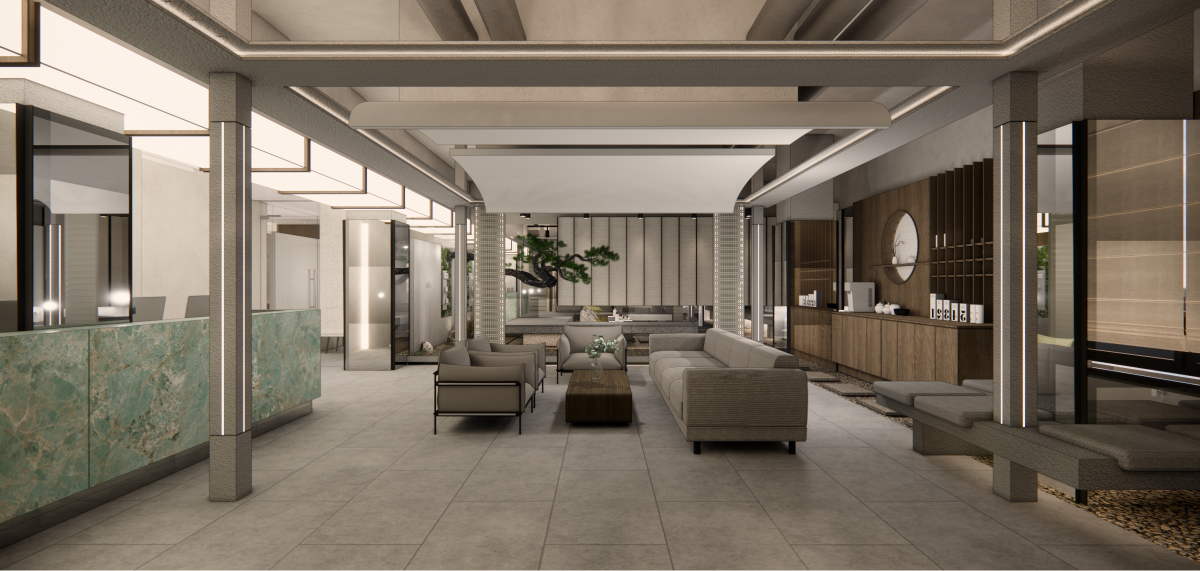
Misconception 1: Does standardizing processes equal implementing assembly lines?
Many people equate Kleam’s “standardized processes” with “assembly lines,” but in fact these are two completely different concepts.
Let’s first explain how the process at Kleam works: online reservation → confirmation the day before → arrival at the clinic to fill out a Chinese questionnaire → analysis using a skin testing device → one-on-one consultation by a specialist → in-person consultation with a doctor to finalize the treatment plan → entry into a private treatment room → post-treatment ice application and care → instructions before leaving the clinic → follow-up visit after the procedure.
This process may seem very “standardized,” but standardization does not equal assembly-line operation. The crucial difference lies in whether specific judgments are being made at each stage of the process.
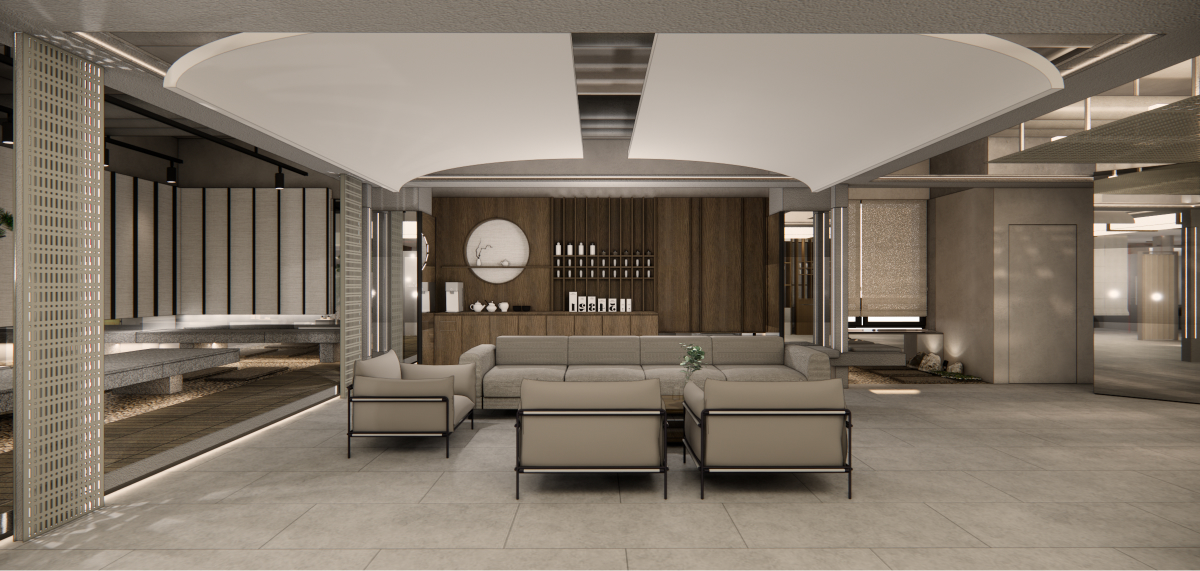
For example, when I went for my first Pico treatment, the consultant used a skin scanner to take pictures of my face. On the screen, the underlying pigmentation, Pore size, and moisture content were clearly displayed. Based on these results, she recommended the Pico treatment instead of ultrasonic therapy – because my main issue at that time was sunspots, not skin laxity. When I took a friend with me for her second treatment, the scan revealed that she had dry skin and fine lines; the consultant advised her to try hyaluronic acid injections combined with Collagen treatment.
The same testing equipment and the same process, yet the solutions offered to the two individuals were completely different – this is something that a production line simply cannot achieve. A production line relies on “everyone using the same set of templates,” while Kleam operates on the principle of “using the same set of tools to provide different solutions for different individuals.”
Misconception 2: Does “good Chinese service” necessarily mean discounted accommodations and services for tourists?
There is something fundamentally wrong with this logic. In the Myeongdong shopping district, Chinese-language services are a basic standard, not something that would detract from a product’s value. Kleam’s policy of “same price for South Koreans and foreigners” is the best proof of this—South Koreans pay whatever amount, and so do foreigners; where exactly is the room for overcharging?
Moreover, Kleam’s Chinese-language services go far beyond merely being able to “speak Chinese.” The translator in question is of Korean descent, and her level of communication is so detailed that it can even reach an anatomical level—she can explain in Chinese things like, “This time, the ultrasonic treatment targets the SMAS fascia layer, specifically addressing the relaxation of the jawline,” rather than providing a superficial translation like “Hello, lie down, and that’s it.”
One more detail: A significant proportion of Kleam’s customers are from South Korea. On both of my visits, I saw many Koreans in the waiting area – some were young people coming for skin treatments, while others were office workers taking advantage of their lunch breaks to get Botox injections. If it were really a “tourist establishment that only serves foreigners,” there wouldn’t be so many local customers.
Misconception 3: Does a low price necessarily mean poor quality?
Let’s start with some numbers: Kleam Ultrasound Therapy System (Cosmic Edition) starts from ₩79,000, Rejuran starts from ₩110,000, and Pico starts from ₩59,000. Compared to other Dermatology clinics in Myeongdong, these prices are indeed considered moderate to low.
However, the reason for the lower price is not due to cutting corners, but rather because Kleam follows a model that combines “high traffic in popular areas with standardized operations to reduce costs.” For the same ultrasonic device, if a clinic in Gangnam treats only 3 patients per day, while Kleam treats 10 patients per day, the resulting costs will naturally be different.
In terms of quality? The equipment used includes the latest generation of Shurink Universe, Ultherapy Prime, and the fifth-generation Thermage FLX – all the same devices as those used in Gangnam’s high-end clinics. All energy-related treatments are performed personally by the clinic director, rather than by nurses. After the procedures, customers can scan the products to verify their authenticity, and the consumables are destroyed on the spot – these are all tangible measures taken to ensure quality control.
The only “trade-off” is that if you want to use the sleep series of products (such as the Sleep Ultrasonic Gun or Rejuran for sleep), they are indeed operated by intern doctors. However, they have clearly marked a 35% discount – you get what you pay for.
So, what does a truly “assembly-line-style Dermatology department” actually look like?
To provide everyone with a benchmark for comparison, I would like to summarize the characteristics of a truly “assembly-line-style” Dermatology clinic. If three or more of these criteria apply to the clinic you visit, then it is undoubtedly operating on an assembly-line model.
- ❌ Without any skin analysis using specialized devices, they just ask what you want to do and start right away.
- ❌ The doctor didn’t say a single word to you throughout the entire process; it was all done by the nurse or consultant.
- ❌ It is against regulations in many countries for nurses to operate energy-related devices.
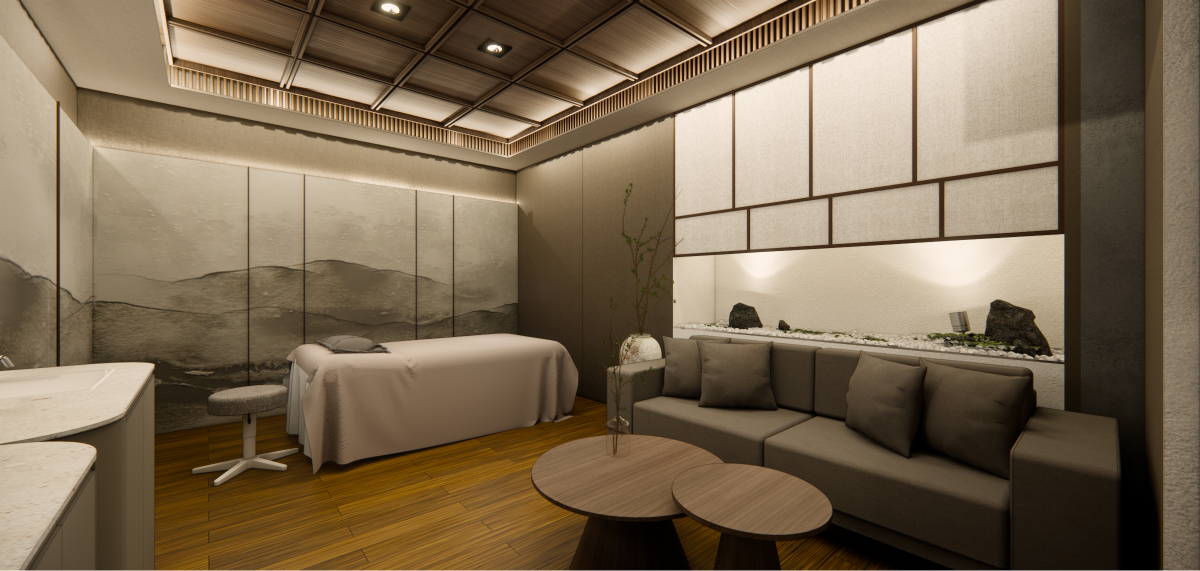
- ❌ In the same room, multiple people are treated at the same time, with only curtains separating them.
- ❌ The consent form for the surgery is only available in Korean, so foreigners simply sign it without understanding what it says.
- ❌ No inquiry about allergy history or current medications; no pre-operative assessment is conducted.
- ❌ There is no follow-up or follow-up visit at all after the procedure.
Let’s compare it with Kleam’s process: skin testing device → in-person consultation by a doctor → treatment performed personally by the chief physician → private, individual treatment space → documents available in both Chinese and Korean → inquiry about allergy history and medication history → post-treatment follow-up. None of these seven items are included in Kleam’s process.
So how can one tell if a Dermatology clinic is operating on a assembly-line model? (Valuable insights to take away)
It’s not just Kleam; in the future, whenever you visit any Dermatology clinic, you can use this three-part method to make your judgment.
| Inspection points | ✅ Personalized clinics | ❌ Assembly-line clinics |
|---|---|---|
| operator | ✅ The director/practicing doctor personally operates the energy-based devices. | ❌ Nurses performing laser treatments on behalf of others |
| Diagnosis methods | ✅ Skin analysis using specialized devices + in-person consultation with a doctor | ❌ Starting right away after just a few casual questions |
| Space | ✅ Each person enjoys their own private space. | ❌ Shared by multiple people, separated only by curtains |
| solution | ✅ Customized based on the test results | ❌ Everyone uses the same template. |
| Promotion | ✅ Provide recommendations based on customer needs, without forcing anything upon them. | ❌ Always promoting the most expensive packages |
| After the surgery | ✅ Follow-up interviews and tracking are conducted. | ❌ Just do it and forget about it afterward. |
By this standard, Kleam meets all 6 requirements ✅ and can be considered a standardized clinic that does not operate on a assembly-line basis. The only thing to note is that the sleep-related services are performed by intern doctors; it is sufficient to clarify this during the booking process.
📍 Want to make an appointment with Kleam Dermatology?
You can consult and make an appointment in the following ways 👇
⚠️ Pitfalls I’ve encountered: Things you need to know before going to Kleam
⚠️ Warning 1: Sleep-related treatments are NOT the same as those led by the hospital director.
Kleam’s sleep series products, such as the Sleep Ultrasound Gun and Rejuran for Sleep, are advertised with a 35% discount. However, the treatments are performed by interns rather than the clinic director. While the results are guaranteed, there is still a difference in technical expertise compared to when performed by the director personally.
→ How to avoid it: When making an appointment, be sure to specify that you want the director to perform the treatment personally, rather than just asking for the “ultrasonic therapy.” Although the cost is slightly higher, the technical quality is significantly different.
⚠️ Warning 2: Is the weekend like a vegetable market? Try going on a weekday to experience the real difference.
On weekends, the Myeongdong shopping district is crowded with people, and the waiting area on the 4th floor of Kleam is likely to be filled to capacity, creating a scene that indeed resembles a “assembly line queue.” However, on weekdays, from Monday to Thursday in the afternoon, the place is much quieter.
→ How to avoid it: Schedule a visit to Kleam as your first stop on a weekday (it opens at 9 am), and avoid going on weekends. Kleam is only open until 6 pm on weekends and until 8 pm on weekdays, so you will have more time.
⚠️ Pit 3: The difference in experience between the Myeongdong store and the Hongdae store – the same brand, different experiences
Kleam has stores in Myeongdong and Hongdae in Seoul, and the management styles of these two stores are not exactly the same. The Myeongdong store operates in a busy commercial area with a large flow of customers, while the Hongdae store has a more community-oriented approach. Some people say that Kleam operates like an assembly line, and this might be true if you visit the Myeongdong store on weekends.
→ How to avoid it: If you particularly value privacy and tranquility, you can ask if it’s possible to schedule an appointment at the Hongdae store; if your itinerary only includes Myeongdong, then go to the Myeongdong store on weekdays in the morning.
👍 In a nutshell, the pros and cons of Kleam
| ✅ Advantages | ⚠️ Disadvantages |
|---|---|
| 👍 The director personally operates all types of energy-based devices, including ultrasonic guns, Thermage, and Pico devices; no nurses are used to perform these procedures on their behalf. | ⚠️ The sleep-related treatments are performed by intern doctors; they are not carried out personally by the hospital director. You get what you pay for. |
| 👍 Exclusive one-on-one private space throughout the process – consultation, treatment, and post-treatment care are all carried out in the same room. | ⚠️ During weekends, there are many people, so the experience can be less pleasant. During peak hours, the waiting areas may be completely full. |
| 👍 The skin analysis device provides scientific insights rather than blind promotion; treatment plans are tailored based on the test results. | ⚠️ For brand-exclusive services such as jawline correction, a face-to-face consultation is required before a quote can be provided; the exact price cannot be determined in advance. |
| 👍 The same price in both China and Korea; official website lists the exact prices. Tax refunds are available on-site, with no hidden fees. | ⚠️ The prices of high-end treatments such as Thermage and Sofwave are similar to those in clinics in Gangnam District; they are not particularly cheap. |
| 👍 Full Chinese-language service provided; communication with our Korean-speaking translators is completely seamless. | ⚠️ The Myeongdong store is located in a busy commercial area, so it is not as quiet and private as an independent clinic. |
| 👍 There is a follow-up system after the procedure; we don’t just ignore things once it’s done. | ⚠️ The prices of some special offers may change at any time. |
Who is Le suitable for? And who is it not suitable for?
| dimension | Suitable | Not suitable |
|---|---|---|
| Requirements | ✅ If you are interested in basic cosmetic procedures such as ultrasonic treatment, Rejuran, hyaluronic acid injections, or Pico treatments | ❌ Consider undergoing major plastic surgeries (Kleam does not provide plastic surgery services in the Dermatology department). |
| Budget | ✅ ₩100,000 – 500,000 (Mid-range price range, high cost-performance ratio) | ❌ Budget of less than ¥500,000 (the lowest option is a Masseter botulinum toxin injection for ¥925,000) |
| Language | ✅ Need Chinese-language services and are worried about potential communication barriers | ❌ If you don’t care about the language and are looking for a local clinic that offers all its services in Korean, please continue reading. |
| time | ✅ Travelers with free time during weekdays (Monday to Thursday are the best options) | ❌ Visitors who can only come on weekends (unless they are willing to arrive just by opening the door) |
How should one choose in different situations?
- If you only have time on weekends: Just arrive at 9 a.m. on Saturdays, and it will be your first stop on your itinerary in Myeongdong. If you arrive after 2 p.m., you may not be able to get the treatment you want.
- If you are interested in high-end treatments such as Thermage or Sofwave: Kleam offers prices similar to those of Gangnam, but its services are more standardized. If you value communication in Chinese, Kleam is a good choice; if you are looking for the lowest price, it might be advisable to compare several options before making a decision.
- If this is your first time undergoing medical beauty treatments and you feel nervous: Kleam’s Chinese-language services and standardized procedures are particularly designed to accommodate newcomers. There’s no need to worry about not understanding the instructions or making mistakes during the process. It is recommended to start with hyaluronic acid injections or basic laser treatments as a beginner.
My conclusion: Kleam is not a mass-production model, but it isn’t suitable for everyone either.
The above is a detailed record of how I analyzed the service process of Kleam.
To be honest, if you ask me, Kleam is not a mass-produced service; rather, it represents a high-standard, premium Dermatology practice. This positioning determines its strengths—transparent pricing, controllable procedures, and comprehensive Chinese-language services—but also its weaknesses: it doesn’t offer the same level of privacy as Gangnam’s luxury clinics, and the experience may suffer during peak weekend hours.
If what you care about are smooth communication, transparent pricing, and error-free procedures → Kleam is definitely a reliable choice.
If what you value most is ultimate privacy and personalized customization, then you might want to consider the one-on-one premium clinics in Gangnam – but you should be mentally and verbally prepared for that.
It is recommended to check the schedule and promotional activities of Kleam on BeautsGO before making your trip, especially on weekdays when there are more available times – the experience will be much better that way.
❓ Frequently Asked Questions
Q: Is Kleam a streamlined process? Will everyone end up doing the same thing?
A: No. Kleam follows a standardized service process – appointment → skin examination → consultation → treatment → post-treatment care – but each step is tailored specifically to the individual patient’s needs. The skin examination device analyzes data such as underlying pigmentation, moisture levels, and elasticity, and the doctor then develops a personalized treatment plan based on these results. All the energy-based devices used in the treatments are operated personally by the director of the clinic, who dynamically adjusts the parameters accordingly; this is something that a standard assembly line process simply cannot achieve.
Q: How long does it take to wait in line for Kleam?
A: On regular days, you can expect to wait for about 10-15 minutes after arriving at the clinic (including consultation with a consultant and a face-to-face examination by a doctor). During weekends and peak hours, the waiting time may range from 20-30 minutes. It is highly recommended to make an appointment 3-5 days in advance; otherwise, you may have to wait for a long time or even end up making a wasted trip if you decide to show up without an appointment.
Q: Are the doctors at Kleam fixed? Is it possible to request a specific director?
A: It’s possible to request a specific doctor. When making an appointment, please indicate the name of the doctor you would like to see and confirm their schedule for that day. Note: The sleep-related treatments are performed by intern doctors, not the chief physicians. Be sure to ask who will be performing the treatment during the reservation process.
Q: What are the differences between Kleam and Gangnam’s clinics?
A: Gangnam clinics usually pursue a high-end, private service model, with higher prices and a more tranquil environment. Kleam, on the other hand, targets the mid-to-high-end market, offers standardized procedures, comprehensive Chinese-language services, and transparent pricing. In simple terms, Gangnam is like a boutique, while Kleam is a chain of boutiques – the quality is assured, but there is no sense of custom-made services.
Q: Does Kleam engage in aggressive sales tactics?
A: No. Many customers have reported that consultants will tailor their recommendations based on the results of skin tests, answering all your questions without unnecessarily pushing more expensive treatments. However, package combinations such as Pico + hyaluronic acid treatments do exist; whether to include them depends entirely on your personal needs.
Q: Will my face be very swollen after the Kleam treatment? How long will it take before I can go out in public?
A: Pico treatment: There may be a slight redness on the same day, similar to sunburn; the redness will subside by 80-90% on the 2nd or 3rd day, and any pigmented spots may form small scabs that will fall off within 5-7 days. Hyaluronic acid injections: Small needle marks may appear on the same day but will basically disappear the next day; the skin will begin to look radiant by the 3rd day. For injectable treatments such as Rejuran and Filler, mild swelling will subside within 2-3 days.
Q: What should I bring when going to Kleam?
A: Passport (required for on-site tax refund), photos of the procedures you want to undergo (for reference), and sun protection products (since you shouldn’t expose yourself to the sun after the procedure). It’s more convenient to arrive without makeup.
📖 For further reading
If you are still hesitating about which Dermatology clinic to choose, these articles should be of some help to you:
- A Guide to the Kleam Dermatology Experience in Myeongdong: Everything You Need to Know about Hyaluronic Acid Injections, Ultrasound Lifting, and How to Avoid Common Mistakes – Detailed Account of the Entire Experience from Appointment to Post-Treatment
- Is the price of Kleam in Myeongdong the same in China and South Korea? I checked both the official website prices and the on-site prices – the price transparency within the same chain ensures that the policy of equal prices in China and South Korea is truly implemented.
- Top 5 Recommendations for Dermatology Clinics in Myeongdong — After reading the reviews of Kleam, you can be even more confident when choosing one of the top 5 clinics in Myeongdong.